Property & Inheritance in Vietnam for Việt Kiều
Updated 2026-05-29 · General information, not legal advice.
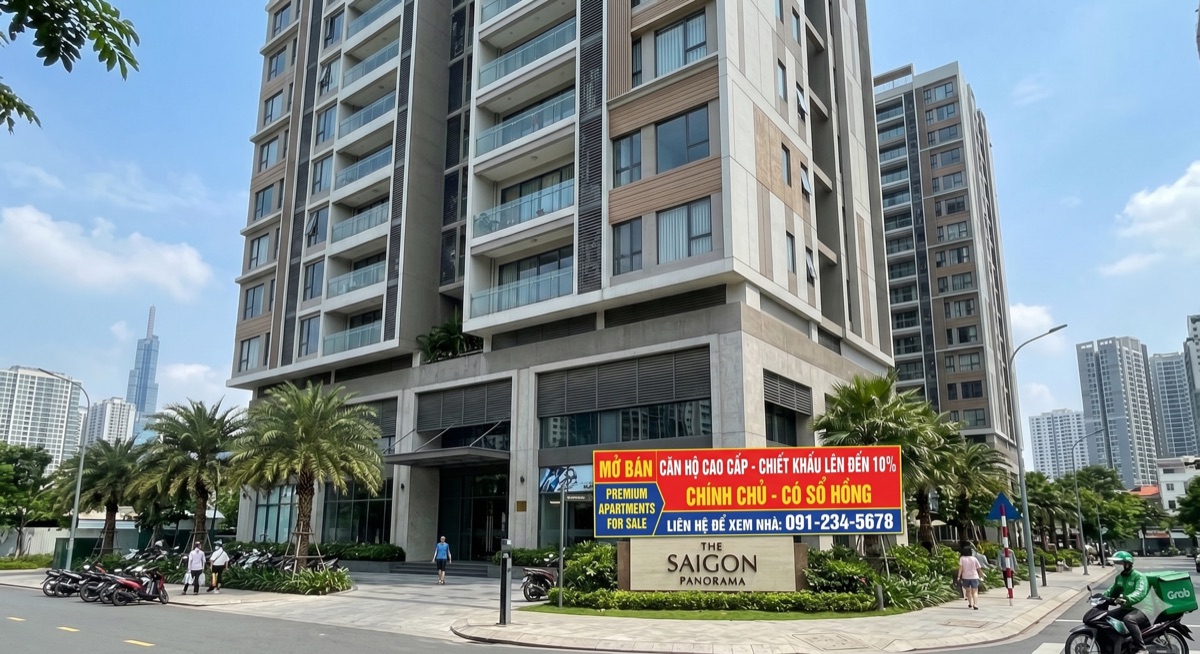
In Vietnam, there is no private ownership of land itself — the state grants land-use rights. What you can own, and how, depends heavily on your status: Vietnamese citizen, overseas Vietnamese, or foreigner.
Owning a Home
- Vietnamese citizens (including dual citizens who keep Vietnamese citizenship) have the broadest rights, including land-use rights for residential land.
- Overseas Vietnamese recognized as still having Vietnamese citizenship are generally treated like citizens for housing.
- Foreigners (including Vietnamese Americans with only US citizenship) can typically own apartments/houses within projects, subject to caps and time limits, but face restrictions on land.
Inheritance
Overseas Vietnamese and foreigners can usually inherit the value of property even when they cannot directly hold the land-use right; in some cases the inheritance is received as monetary value rather than the land itself. Rules are detailed and depend on the asset and your status.
Get Local Advice
Property and inheritance law in Vietnam is complex and changes over time. Before buying, selling, or claiming an inheritance, consult a licensed Vietnamese lawyer or notary.
Frequently Asked Questions
Can a Vietnamese American own a house in Vietnam?
Someone with only US citizenship is generally treated as a foreigner and can usually own apartments/houses within projects subject to limits, with restrictions on land. Those who keep Vietnamese citizenship have broader rights.
Can I inherit land from my parents in Vietnam?
Often yes in terms of value, but a foreigner may receive the inheritance as monetary value rather than the land-use right itself. Consult a Vietnamese lawyer.
Does keeping Vietnamese citizenship help?
Yes. It generally expands housing and land rights, which is why many overseas Vietnamese keep or restore their citizenship.